Archive — Master's thesis
Dear GSD
A platform for making protest posters, when the school has lost its public space
2021 Spring · Harvard GSD
Open demo →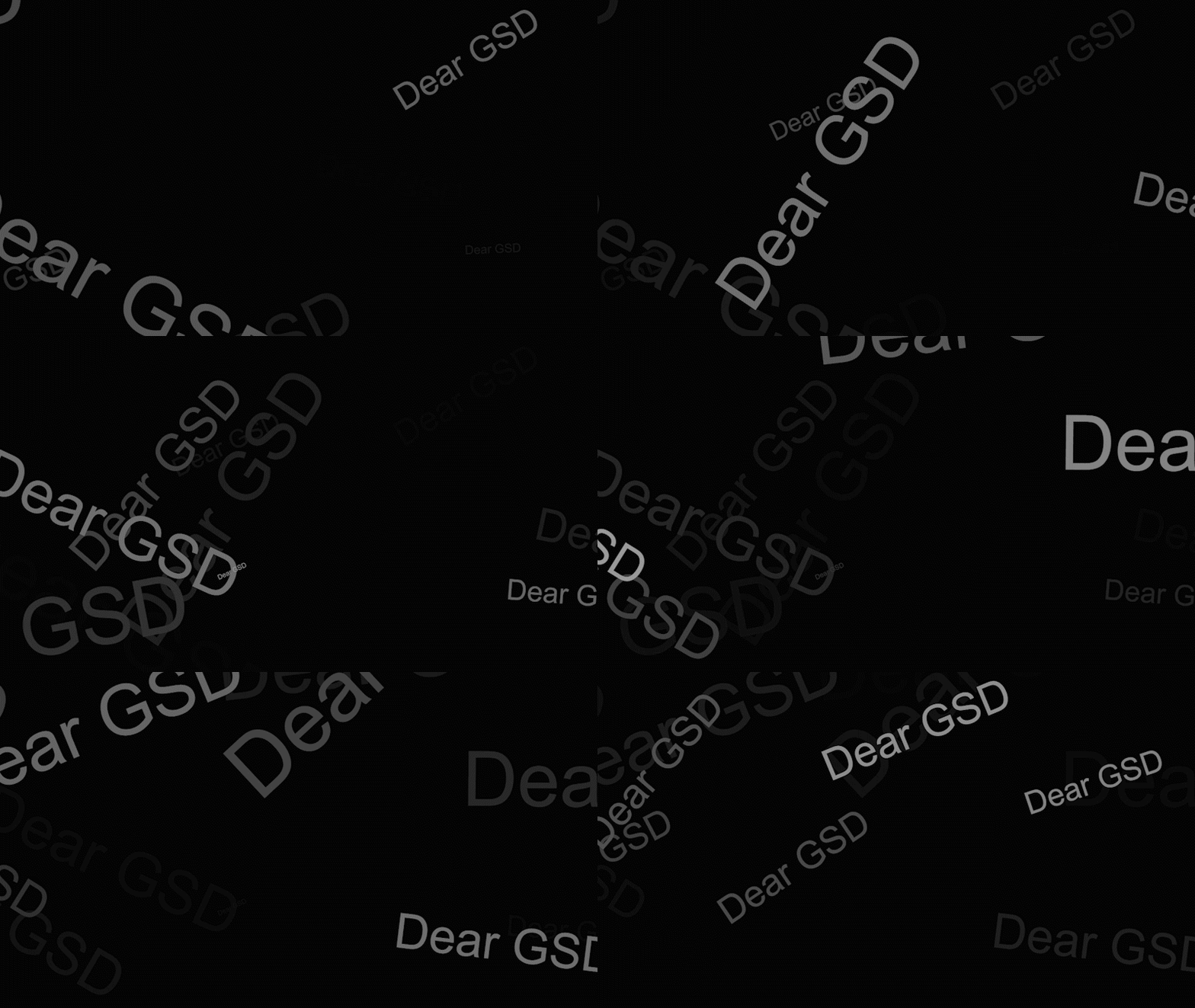
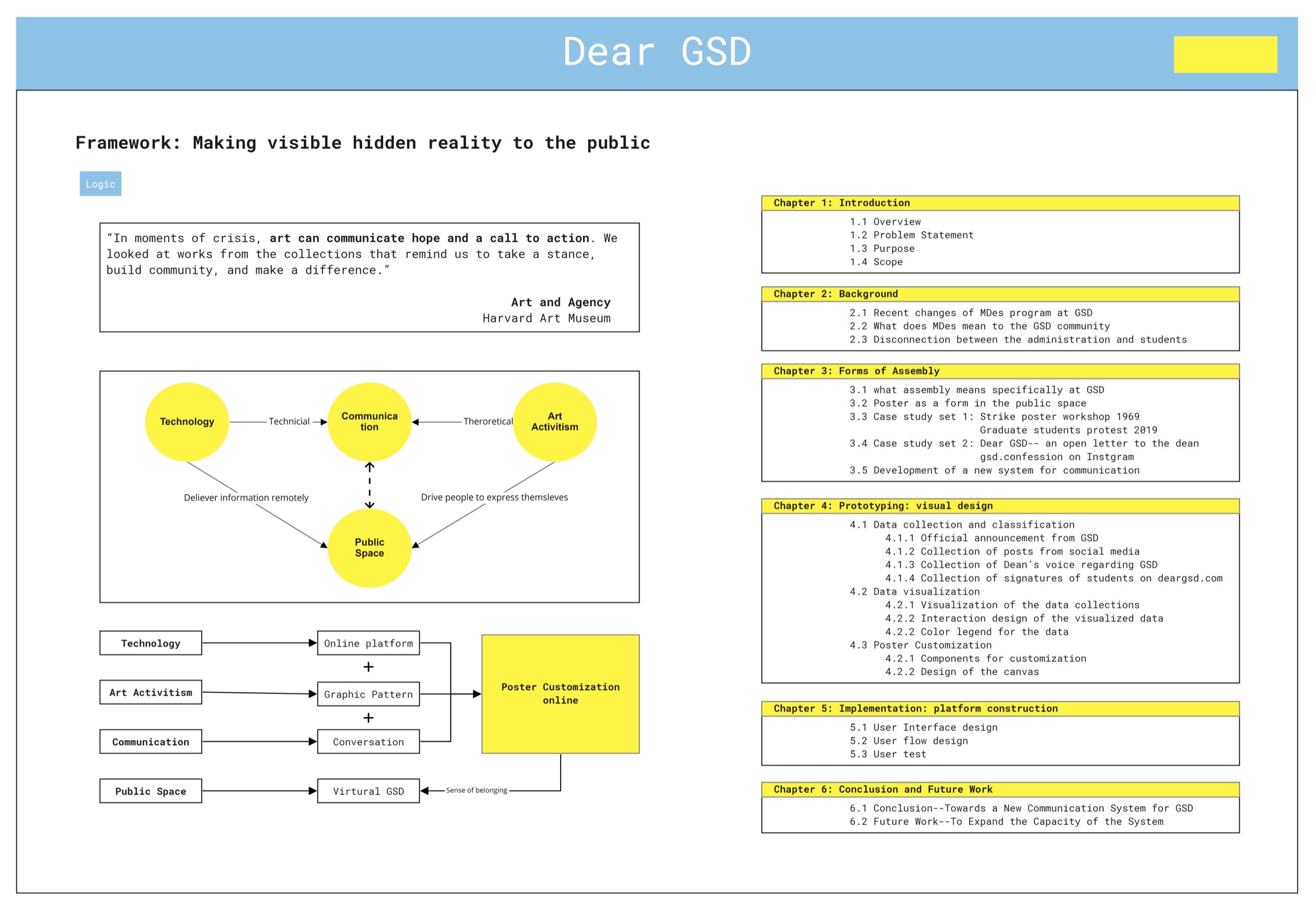
My Harvard GSD master's thesis. Dear GSD proposes a digital platform for customising posters — a new means of communication inside the school's virtual community. It extracts the underlying rules and design languages from the significant posters made at the GSD before the pandemic, and turns them into a system of visual patterns anyone can adapt, so that students and the administration can keep talking even after they have lost their shared public space.
My motivation for this thesis is a passion for using front-end design to build social justice in the digital domain — to find concrete answers to particular design problems. Dear GSD proposes a digital platform for customising posters, a new means of communication inside the Harvard GSD virtual community.
To make a hidden reality visible, it extracts the underlying rules and design languages from the significant posters made at the GSD before the pandemic, and translates those conventions into a system of visual patterns that anyone can adapt. With it, students and the administration can keep communicating even when they have lost their shared public space — within the specific rules a poster sets.
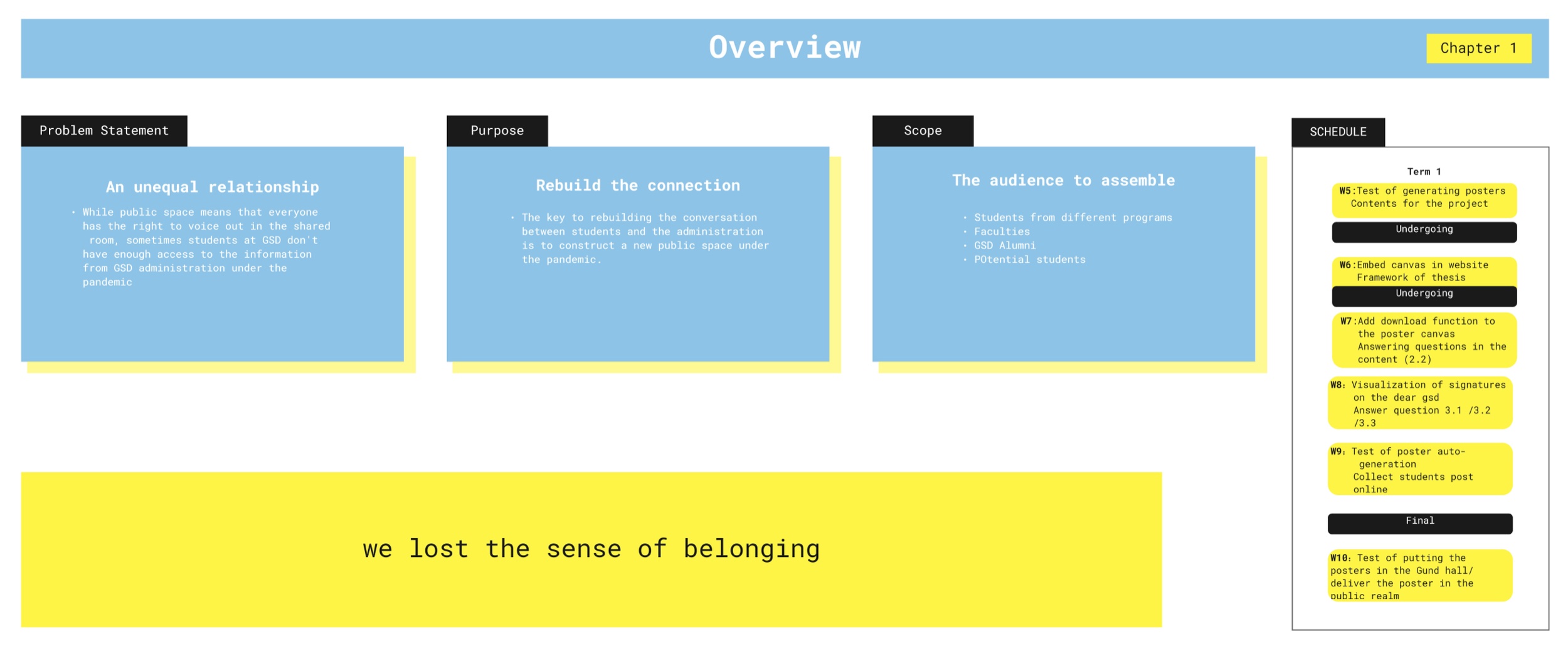
Posters as public space
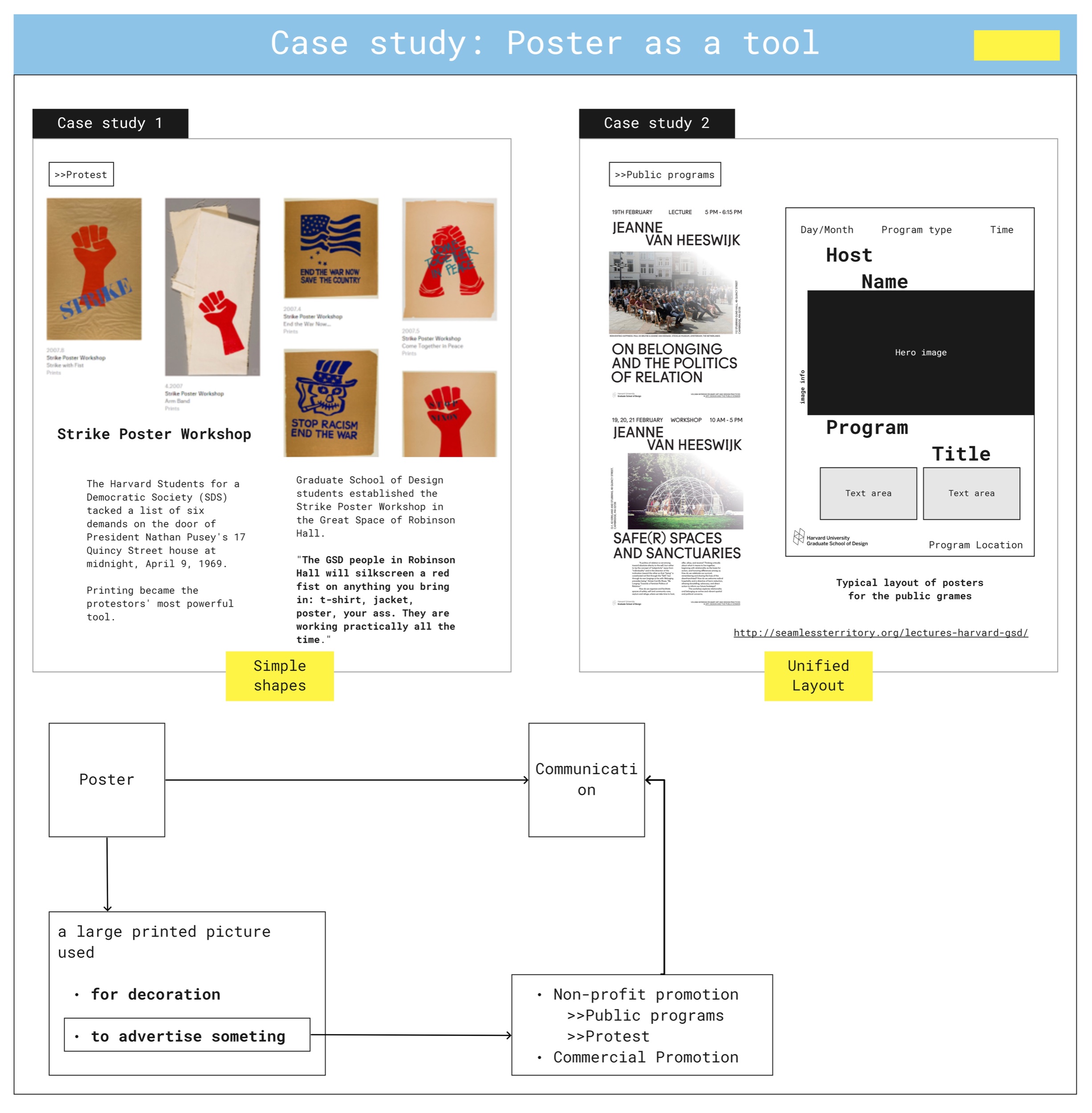
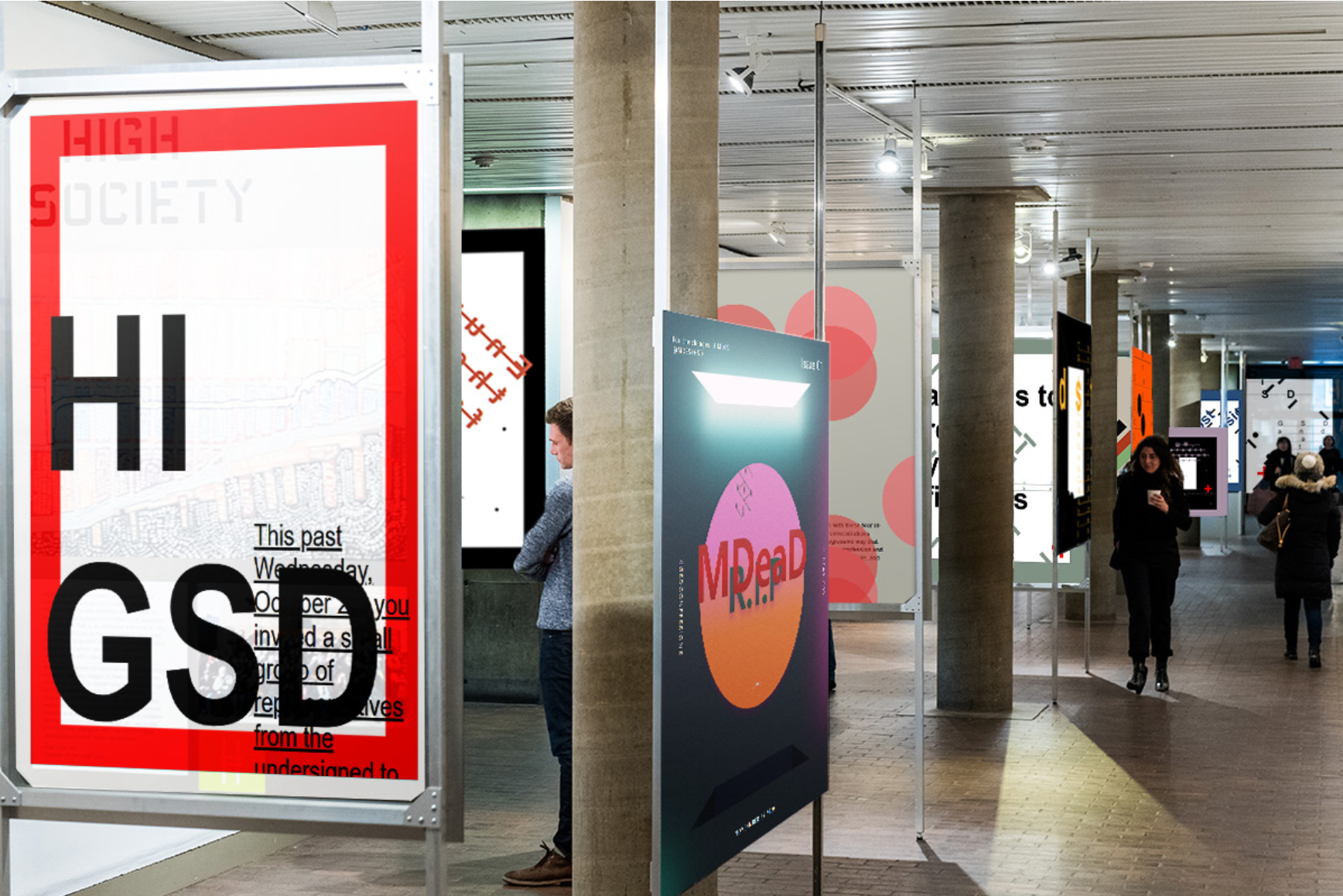
Over the past decades, print has been the most powerful way to carry a message in the public realm — and, at the GSD, a way for students to build a sense of belonging. Each year the administration announces its public programs with posters made in Gund Hall, laid out by particular rules and marked with the GSD's icons; student groups work in much the same way. The abstract texts and shapes on the paper gather students and faculty alike into the public space, and, over time, reflect the school's diverse culture.
When the hall closed
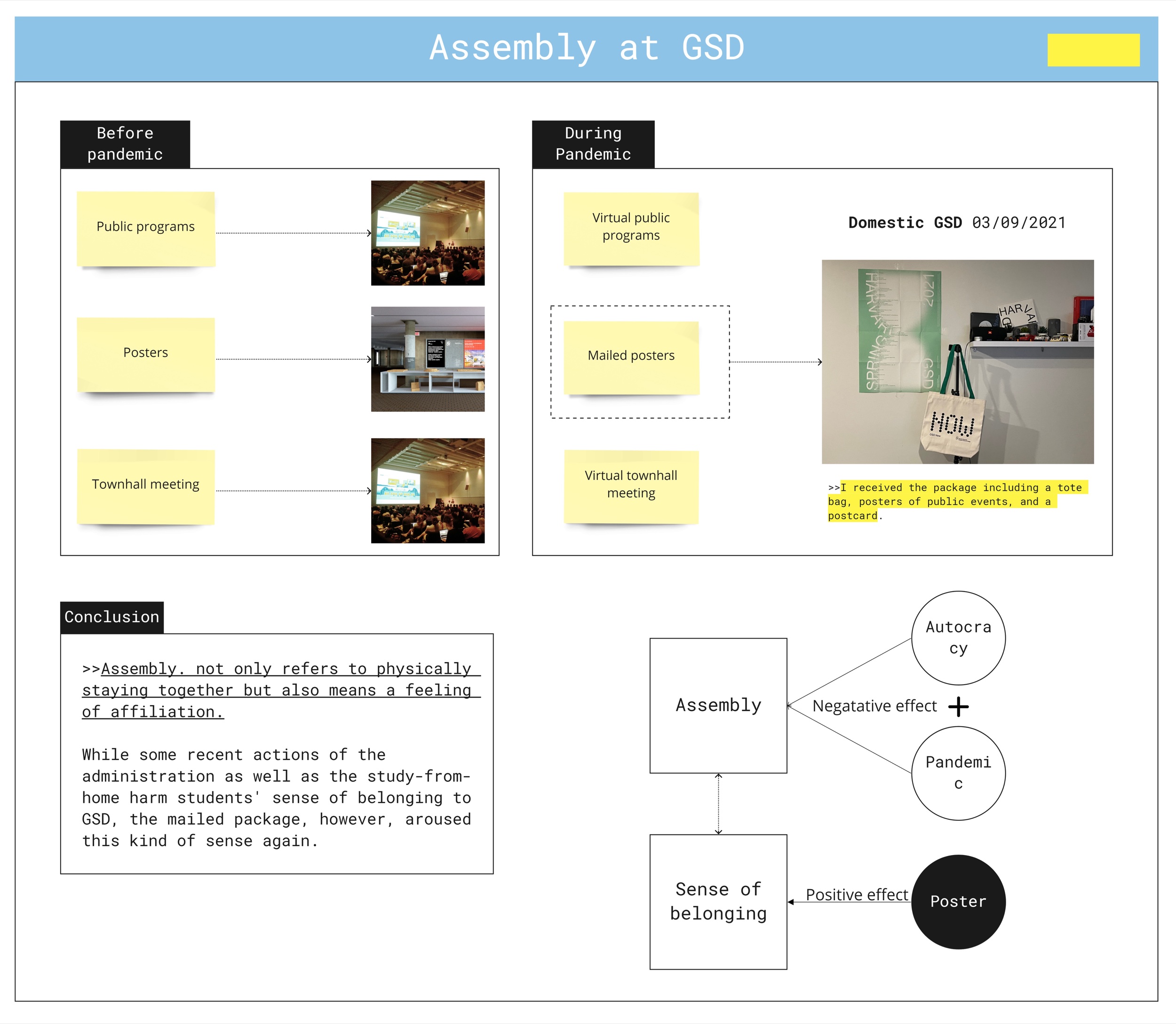
At the start of the 2021 spring semester, with Gund Hall temporarily shut, the public-program posters arrived in students' inboxes instead. Remote study had disassembled the community. But the pandemic was not the only thing draining students' sense of belonging: the lack of transparency in the conversations between students and the administration had, over time, exposed a quieter institutional autocracy.
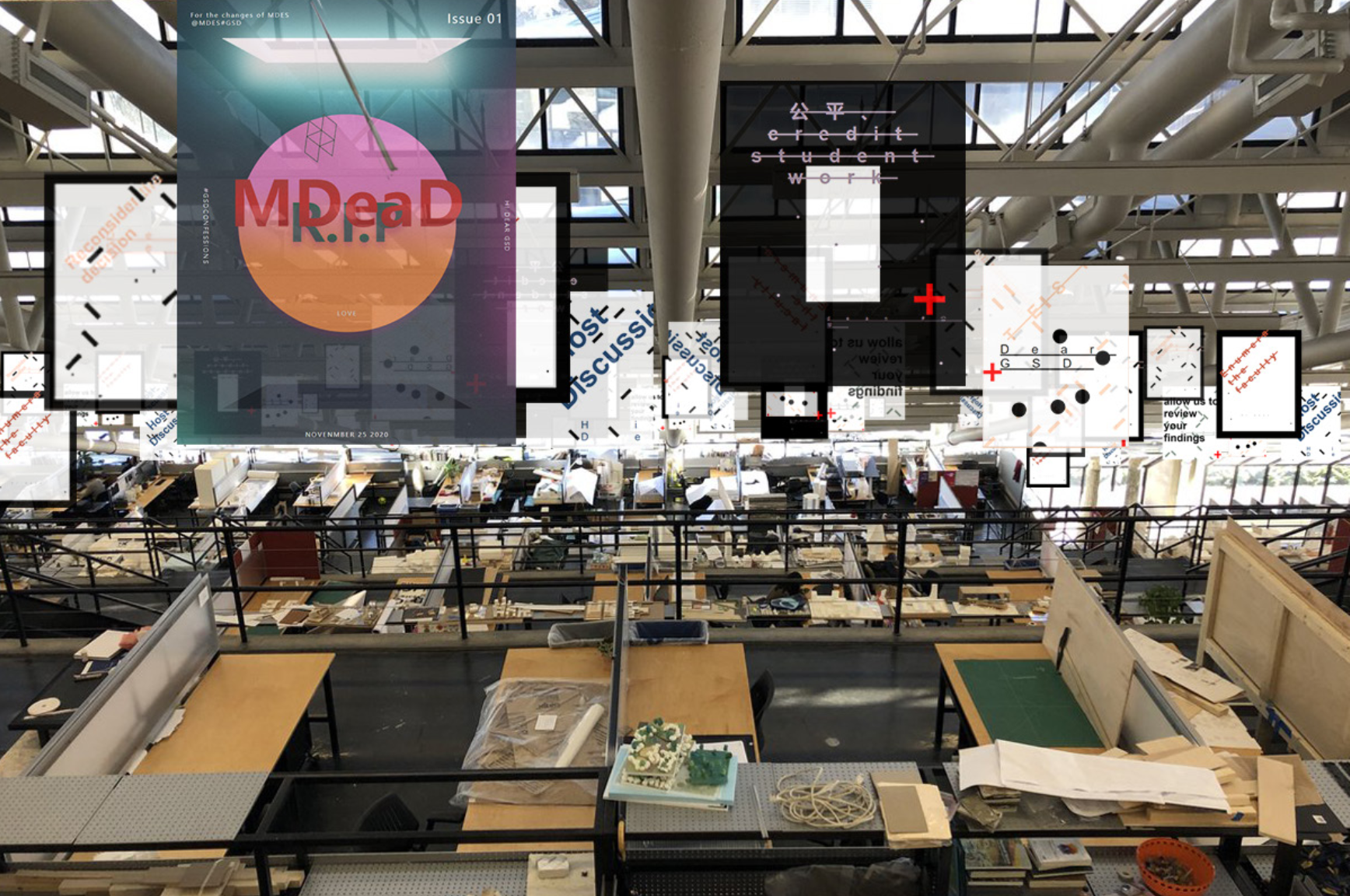
A platform for protest
The new platform lets students make their own posters — for protests, for public events, for fearless expression — and communicate with the administration on their own terms. It draws its examples from the Strike Poster Workshop and other student organisations at the GSD, embedding their conventions and components to show how such a system might actually work.
Recognition
Read the MDes thesis.